Understanding Mortar Joint Thickness in Brick Structures
Mortar joints are the spaces filled with mortar between bricks in masonry construction, and their thickness has evolved over centuries based on architectural traditions, material availability, and engineering needs. Documented as early as ancient Roman brickwork, joint sizes reflect regional building customs, such as the wider joints in medieval European structures compared to the precise, thinner lines in modern industrial-era buildings. Understanding these variations is essential from an architectural standpoint, as they influence a structure's durability, visual character, and compatibility with finishing techniques like German Smear, a mortar-based wash rooted in German and European masonry traditions that enhances breathability while providing a rustic aesthetic.
Historical Reasons for Thick Mortar Joints
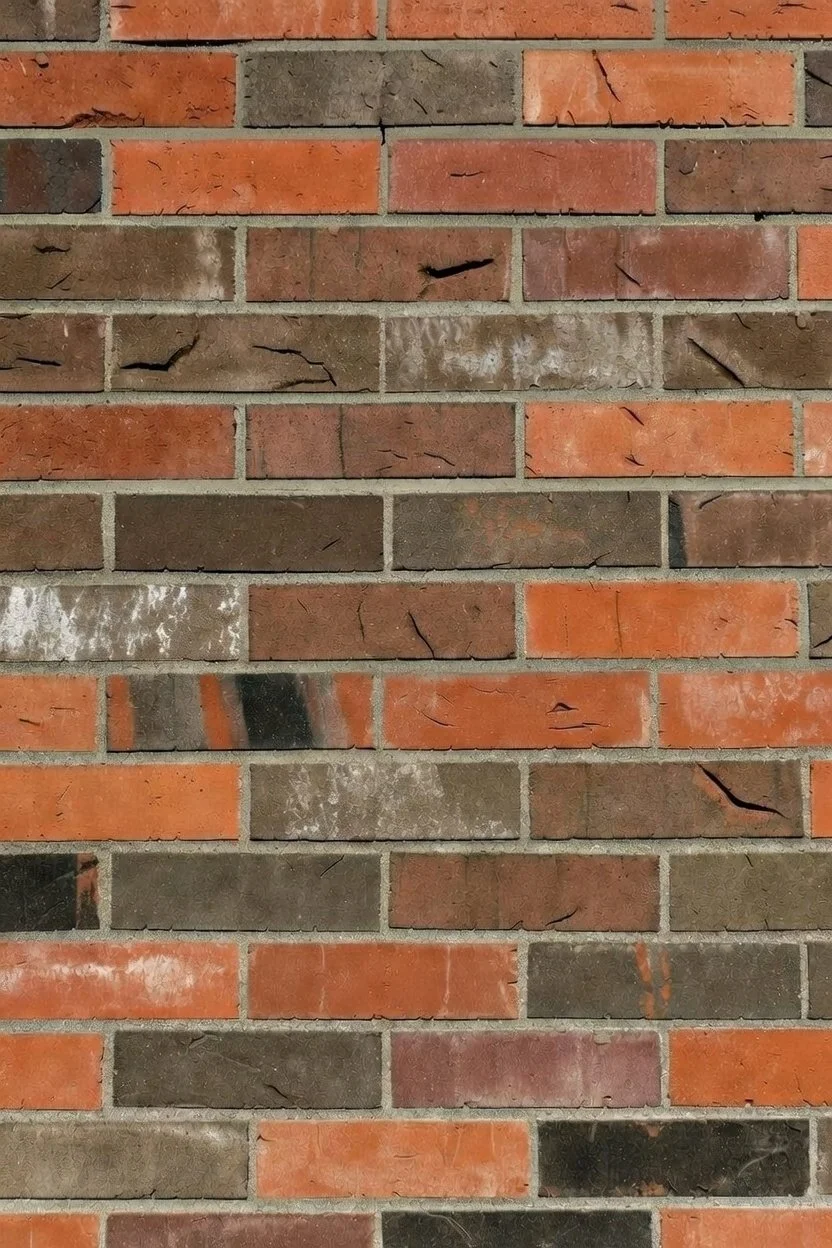
Thick mortar joints, typically ranging from 1/2 inch to over 1 inch, were commonly used in historical brick and stone masonry, particularly in structures built before the 19th century. These wider joints accommodated irregularities in handmade bricks or stones, which often varied in size and shape due to pre-industrial manufacturing methods. In European traditions, such as those in Germany and England, thick joints helped stabilize walls in load-bearing constructions, distributing weight more evenly across uneven units.
From a building-science perspective, thicker joints allow for greater mortar volume, which can improve adhesion in climates prone to freeze-thaw cycles by providing a buffer against expansion and contraction. Historically, this approach was prevalent in rural or vernacular architecture, where local clays and limes dictated mortar composition, leading to joints that enhanced vapor permeability and prevented moisture entrapment.
Structural benefits: Enhanced load distribution in irregular masonry.
Aesthetic considerations: Created a textured, rustic appearance in medieval and colonial buildings.
Material adaptations: Compensated for variations in brick dimensions, common in hand-formed units.
Reasons for Thin Mortar Joints
Thin mortar joints, often 1/4 inch or less, became more widespread with the advent of industrialized brick production in the 19th century, enabling uniform brick sizes and precise laying techniques. This style is evident in Victorian-era urban architecture and modern construction, where efficiency and clean lines were prioritized. Thin joints reduce material use and construction time, aligning with advancements in kiln-fired bricks that allowed for tighter fits.
In terms of building science, thinner joints minimize thermal bridging and improve overall wall insulation by reducing the mortar's exposure, which has lower insulating properties than brick. They also enhance weather resistance in temperate climates by limiting pathways for water infiltration, though they require high-quality, consistent mortar mixes to maintain adhesion.
Efficiency in construction: Less mortar needed, speeding up building processes.
Modern aesthetics: Provides a sleek, uniform look in contemporary and industrial designs.
Engineering precision: Suited to standardized bricks, reducing waste and improving alignment.
Purpose of Varying Mortar Joint Sizes
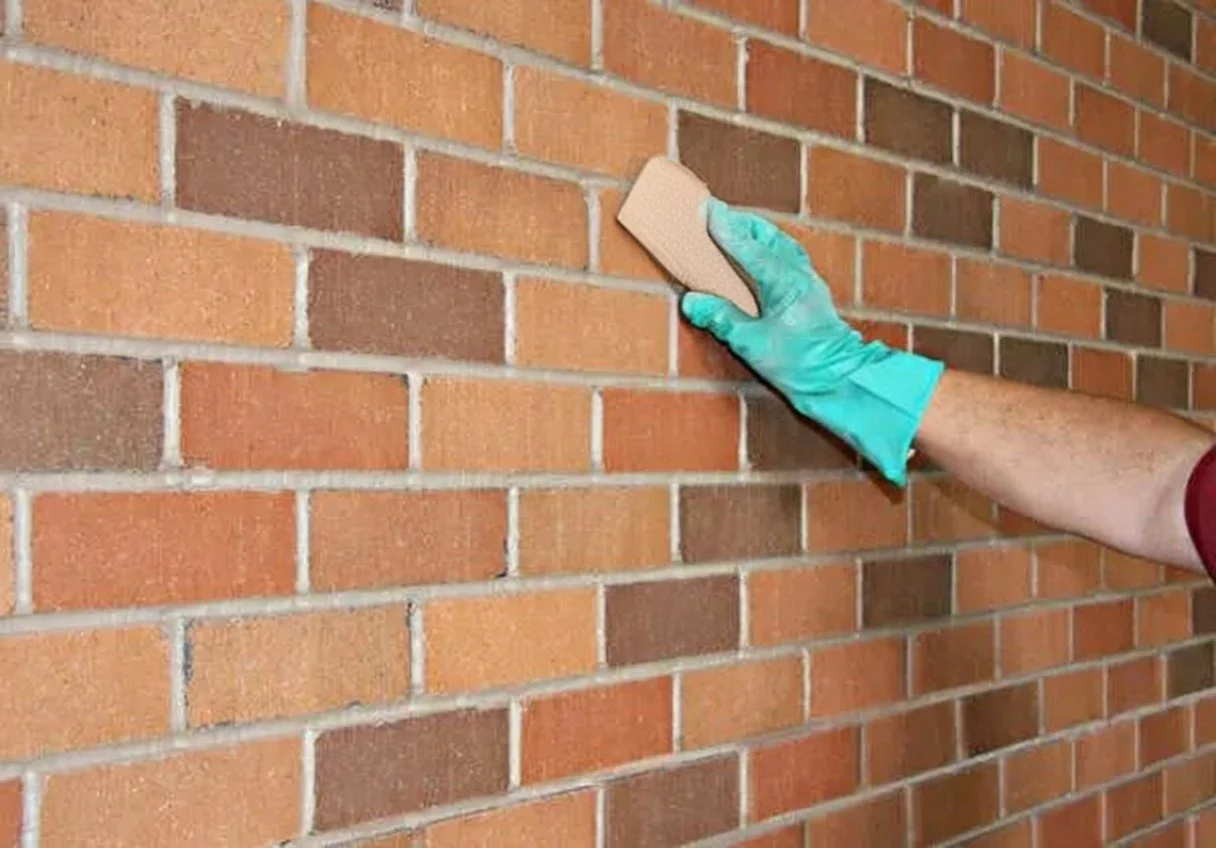
The variation in mortar joint thickness serves multiple interconnected purposes, rooted in both practical engineering and cultural architectural preferences. Structurally, joint size affects how loads are transferred through the wall; thicker joints offer flexibility in seismic-prone areas or with settling foundations, while thinner ones provide rigidity in stable environments. Environmentally, joint thickness influences breathability—thicker joints with lime-based mortars allow better vapor diffusion, crucial in humid European climates to avoid efflorescence or spalling.
Aesthetically, variations define stylistic eras: wide joints evoke historical authenticity in Gothic or Tudor revivals, whereas thin joints align with minimalist modern designs. Material behavior is also key; in regions with soft, absorbent bricks, thicker joints prevent cracking by accommodating movement, whereas hard-fired bricks pair well with thin joints for durability.
Load-bearing functions: Thicker for flexibility, thinner for strength in compression.
Climate adaptations: Wider joints in wet areas for drainage, narrower in dry for dust resistance.
Cultural influences: Reflects traditions, like the robust joints in German farmhouse masonry versus precise lines in English Georgian architecture.
Impact on German Smear Application
German Smear, also known as Schmear or mortar wash, involves applying a thin layer of mortar over brick surfaces to achieve a whitewashed, aged effect while preserving the wall's breathability. This technique, documented in German building practices as early as the 18th century, differs from limewash or whitewash by using mortar for better adhesion and durability. Mortar joint thickness directly influences the application process and outcome, as wider joints can absorb more smear material, potentially requiring additional layers to achieve even coverage.
In structures with thick joints, the smear may settle deeper into recesses, enhancing texture but risking uneven drying if not applied carefully; this aligns with historical uses where vapor permeability is maintained through porous mortar. Conversely, thin joints limit recess depth, leading to a smoother finish but demanding precise application to avoid obscuring brick details. Building science principles emphasize matching the smear's mortar composition to the existing joints—typically lime-based for compatibility—to prevent adhesion failures or moisture issues.
Application challenges with thick joints: Greater material absorption, potentially increasing drying time and texture variation.
Considerations for thin joints: Smoother results, but requires thinner smear mixes to avoid buildup.
Overall effects: Influences final aesthetics, with thicker joints yielding a more rustic look and thinner promoting subtlety.
Conclusion
Mortar joint thickness in brick structures embodies a blend of historical practices, architectural intent, and building-science necessities, from accommodating material irregularities to optimizing environmental performance. Variations serve to balance structure, aesthetics, and durability, while directly shaping the feasibility and visual results of techniques like German Smear. By appreciating these factors, one gains insight into the enduring principles of masonry conservation.
Looking to DIY?
Checkout SmearTech’s Signature White™ Mortar and German Smear Tools.