German Smear: Evaluating Cost-Effectiveness in Commercial Applications
German Smear, also known as Schmear or mortar wash, is a masonry technique involving the application of a thin mortar layer over brick surfaces, partially removed to create an irregular, textured finish. Commonly used throughout northern Europe since the 1500s, it mimics the weathered look of aged mortar joints in rustic cottages and stone structures, providing both aesthetic depth and protective qualities. From an architectural standpoint, German Smear matters because it preserves brick's natural breathability while offering a versatile option for updating facades in various climates, making it relevant for commercial properties where durability and visual appeal contribute to structural integrity and environmental adaptation.
Upfront Costs: German Smear Compared to Painting
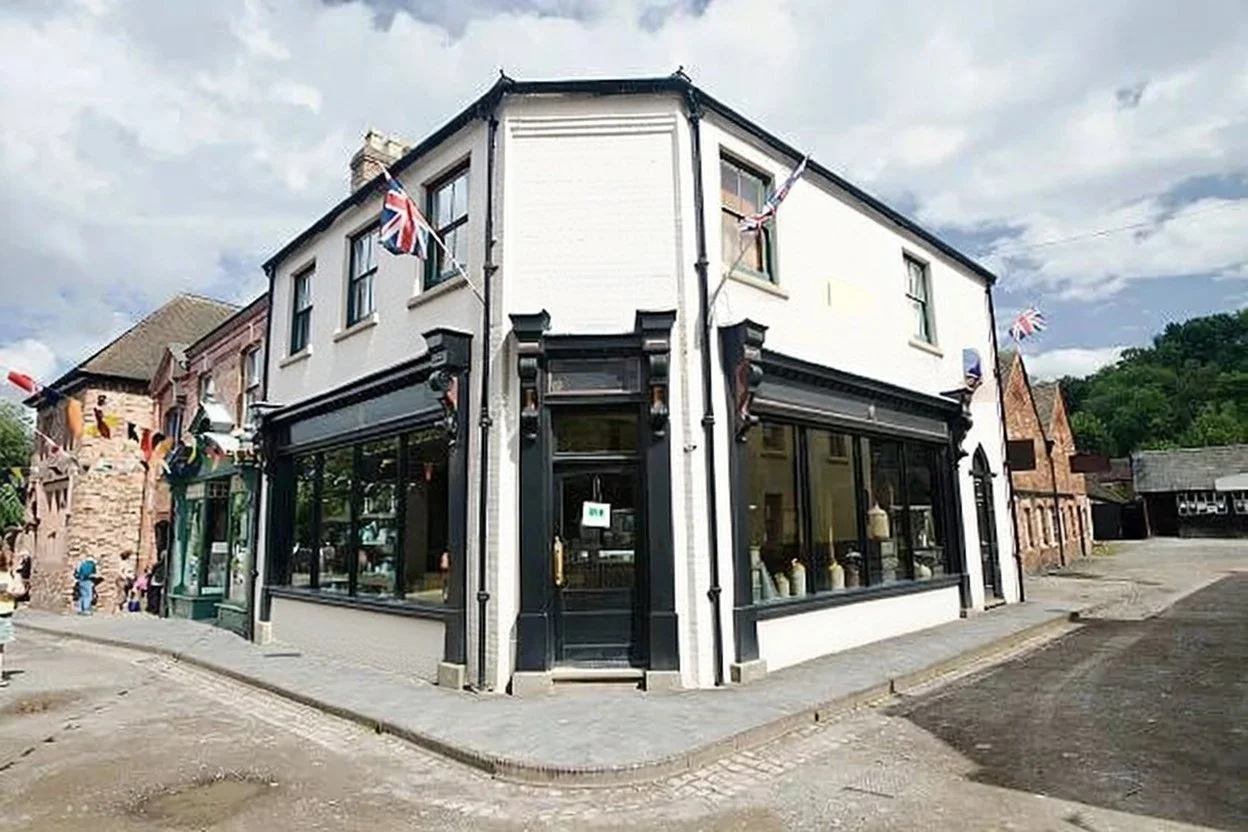
In evaluating finishing options for brick exteriors, upfront costs play a key role, particularly for commercial buildings where scale influences budgeting. German Smear typically requires skilled labor due to its manual application process, which involves mixing and troweling mortar onto the surface. This can lead to higher initial expenses compared to painting, as the technique demands precision to achieve even coverage and texture.
Building science principles highlight that mortar composition—often lime-based for breathability—affects adhesion and vapor permeability, ensuring the finish integrates with the brick without trapping moisture. Historical usage in European architecture shows it was favored for its ability to unify irregular masonry, a benefit that translates to modern commercial contexts by addressing surface inconsistencies.
Average cost for German Smear: Ranges from $5 to $12 per square foot for professional application, potentially totaling $8,000 to $19,200 for a 1,600-square-foot facade, based on material and labor factors.
Painting costs: Typically $1.50 to $4.50 per square foot, with totals around $3,500 to $10,500 for similar areas, often lower due to simpler preparation and application.
Factors influencing variance: Building height, surface condition (e.g., stripping prior paint adds $0.50 to $2 per square foot), and climate considerations, such as enhanced prep in humid regions to prevent freeze-thaw damage.
Longevity and Maintenance: Advantages Over Paint
German Smear's durability stems from its mortar integration with brick, creating a bonded layer that withstands environmental stresses better than surface coatings like paint. Documented as early as the 1500s in northern European building practices, this method leverages lime or cement mortars for vapor permeability, allowing moisture to escape and reducing risks of cracking or peeling in freeze-thaw cycles. In architectural contexts, this promotes longevity, especially for commercial structures exposed to urban weathering.
Unlike paint, which may degrade under UV exposure and require periodic renewal, German Smear ages naturally, maintaining its appearance with minimal intervention. Material behavior, such as high adhesion and resistance to erosion, supports its use in varied climates, though arid conditions enhance its performance by limiting moisture-related issues.
Lifespan: Commonly lasts 20 to 30 years or more with proper application, often outliving paint finishes that need reapplication every 5 to 10 years.
Maintenance requirements: Involves occasional rinsing with a hose or annual pressure washing in humid areas using masonry-safe cleaners; no routine sealing or repainting needed.
Cost savings over time: Avoids recurring expenses associated with paint, potentially saving thousands in upkeep over a decade, based on building science evaluations of material endurance.
Aesthetic Enhancements: Increasing Structural Visibility
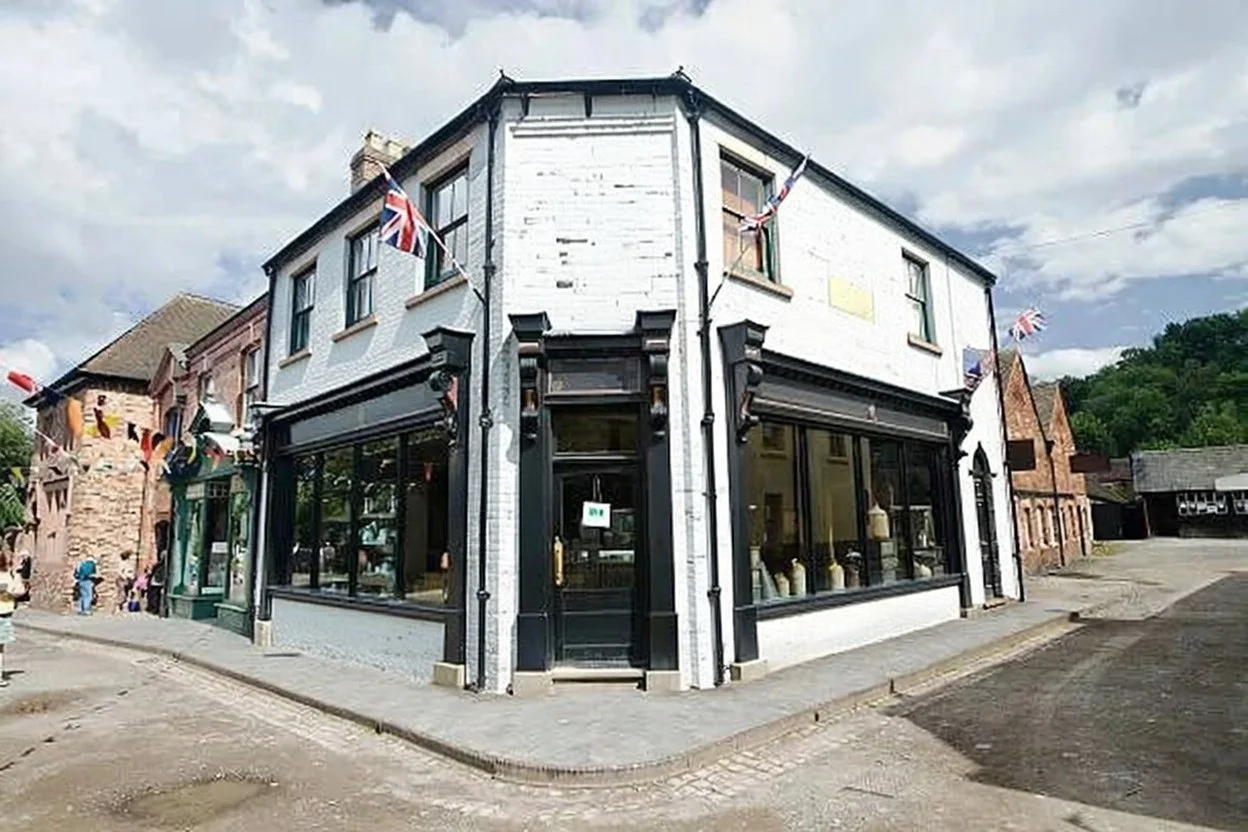
Architecturally, German Smear provides a textured, distressed finish that distinguishes buildings by softening uniform brick lines and evoking historical European masonry styles. Likely derived from 1500s techniques in Germany for rustic cottages, it adds depth and character, making facades more visually engaging in commercial settings. This method contrasts with paint's smooth uniformity or whitewash's temporary fade, offering a permanent, breathable alternative that highlights brick's natural contours.
In terms of visibility, the irregular mortar application creates a standout appearance, blending old-world charm with contemporary design. Climate considerations are relevant, as the finish's weathering enhances its patina in moderate environments, contributing to architectural cohesion.
Visual benefits: Produces a rustic, aged look that conceals minor imperfections and unifies color variations, enhancing curb appeal in urban or commercial landscapes.
Distinctions from alternatives: Unlike limewash (soft, subtle aging lasting 5-7 years) or whitewash (watered-down paint prone to fading), German Smear's mortar base ensures textured durability and historical authenticity.
Architectural context: Suited for structures seeking to stand out, such as retail or office buildings, where the technique's irregularity draws attention without overwhelming design elements.
Conclusion
German Smear represents a historically grounded approach to brick finishing, balancing initial investment with enduring benefits in longevity and low maintenance. Its architectural value lies in promoting breathable, textured surfaces that adapt to environmental demands while providing distinct visual appeal. Through careful consideration of costs, material properties, and aesthetic outcomes, this technique offers educational insights into sustainable masonry practices for commercial applications
Looking to DIY?
Checkout SmearTech’s Signature White™ Mortar and German Smear Tools.