

The History of Stucco: Origins, Applications, and Comparisons to German Smear
Stucco refers to a cementitious or lime-based plaster applied to walls and ceilings for protection and decoration, hardening into a dense, solid surface. Historically, it has played a significant role in architecture by enabling builders to create smooth, ornate finishes over rough substrates, influencing styles from ancient temples to modern revivals. Its importance lies in bridging practical building needs with artistic expression, offering insights into material science, climate adaptation, and conservation practices in architectural heritage.
Origins and Early History
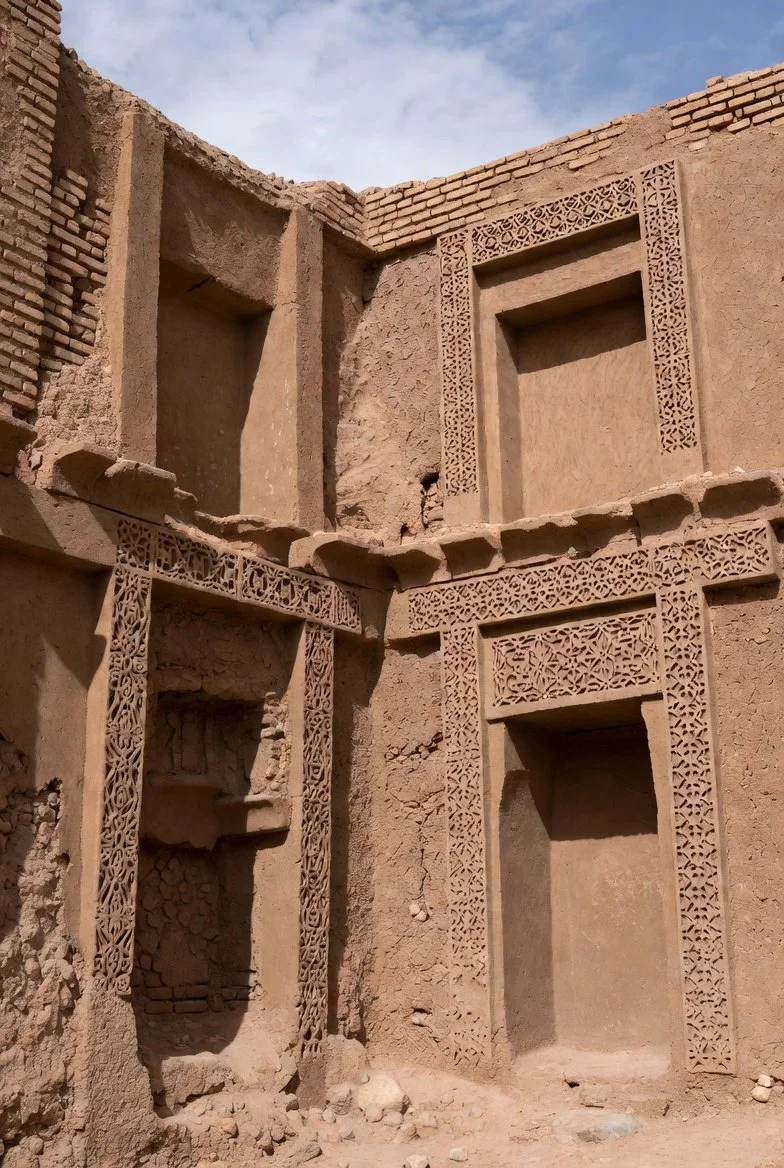
Stucco's beginnings date back to ancient times, with evidence of its use in Mesopotamian structures around 3000 to 3500 BCE, where it formed part of early plasterwork. In ancient Egypt, gypsum-based stucco appeared in tombs for figural reliefs and painted surfaces, providing a smooth base for decoration. By 1400 BCE, ancient Greeks applied lime-based stucco to interior and exterior temple walls, simulating monumental architecture.
Ancient Romans advanced stucco techniques, using mixtures of lime, sand, and pozzolanic materials like volcanic ash for hydraulic setting, allowing solidification even underwater. This innovation enabled its application on rough stone or brick walls of monuments, such as Hadrian's Villa around 120–130 CE, and in tombs from the 1st and 2nd centuries CE. Roman stuccowork included low-relief modeling and integrated architectural elements like cornices and friezes, enhancing light and shadow play in interiors.
Early ingredients: Lime or gypsum mixed with sand and water.
Cultural adaptations: Used in Aztec Mexico for sculpture and Islamic North Africa for ornate surfaces.
Functional evolution: From basic coatings to sculpted reliefs, emphasizing breathability and adhesion.
Reasons for Using Stucco
Stucco's enduring appeal stems from its versatility, allowing application over various substrates to achieve aesthetic and protective benefits. It provides a cost-effective alternative to stone, offering a smooth or textured finish that enhances architectural appearance while shielding against elements. Traditional lime-based stucco promotes breathability, permitting vapor permeability to prevent moisture buildup, which is crucial in varying climates.
In historical contexts, stucco was favored for its fire resistance, low maintenance, and ability to mimic expensive materials like finely dressed stone. Portland cement variants added durability against freeze-thaw cycles and impact, making it suitable for exteriors in regions with harsh weather. Its moldability supported ornate designs, from rusticated textures to sculpted reliefs, adapting to styles like Mediterranean and Tudor Revivals.
Durability factors: Resistant to rot, insects, and fungus; lasts over a century with minimal upkeep.
Aesthetic advantages: Tintable, texturable, and integrable with colors for visual interest.
Practical considerations: Cheaper and warmer than plain brick or stone; adaptable to wood, masonry, or frame structures.
Old World Stucco on Stone or Brick Houses
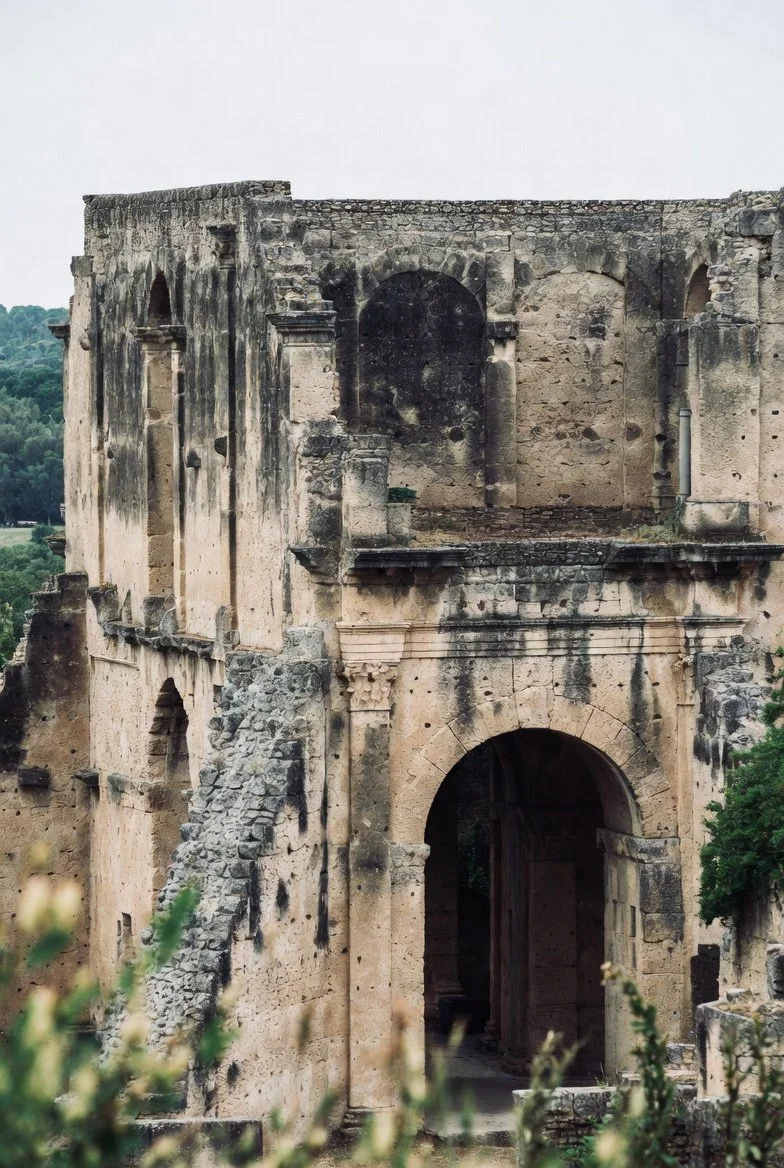
In Old World applications, stucco was applied directly to stone or brick without lath, often after raking out mortar joints for better adhesion. This method transformed rough substrates into smooth, stone-like facades, enhancing visual appeal and perceived value. Lime-based formulas ensured breathability, allowing moisture to escape and reducing risks of freeze-thaw damage in temperate climates.
However, improper application or non-breathable modern variants could trap moisture, leading to efflorescence, cracking, or substrate deterioration. On historic stone or brick, stucco provided weatherproofing against rain and wind, but excessive settling or water ingress might cause delamination. In European traditions, it simulated finely dressed ashlar or rustication over brickwork, common in 19th-century Britain.
Positive impacts: Protects from elements, improves insulation, allows for decorative rustication.
Potential issues: Moisture entrapment if not vapor-permeable; requires compatible repairs to avoid damage.
Climate factors: Ideal for Mediterranean regions; cautious use in freeze-prone areas to maintain adhesion.
Comparisons to German Smear
Stucco and German smear share lime or cement-based compositions but differ in application and effect. Stucco involves multiple layers for a thick, often smooth or heavily textured coating, fully covering substrates to mimic stone or provide extensive protection. German smear, a mortar wash technique, applies a thin, uneven mortar layer smeared over brick, leaving portions exposed for a rustic, aged appearance.
Both promote breathability when lime-based, aiding vapor permeability and reducing moisture issues, but stucco offers more comprehensive weather resistance. German smear requires less material and skill for partial coverage, resembling a slurry or whitewash variant, while stucco demands structured coats for durability. Unlike stucco's potential for ornate molding, German smear emphasizes texture from exposed brick grout lines.
Similarities: Use sand, lime/cement, water; enhance aesthetics with Old World charm.
Differences: Stucco is thicker and more uniform; German smear is patchy and permanent without fading.
Material behavior: Both adhere well to masonry; stucco may crack under stress, while German smear weathers naturally.
Conclusion
Stucco's history reveals a material integral to architectural innovation, from ancient protective coatings to Renaissance ornamentation, valued for its durability and adaptability. Its application on stone and brick highlights the balance between enhancement and preservation, emphasizing breathable formulations. Comparisons to German smear underscore shared principles in mortar-based finishes, offering educational perspectives on evolving brick treatment methods in historical contexts.
Looking to DIY?
Checkout SmearTech’s Signature White™ Mortar and German Smear Tools.
