The Drawbacks of Painting Stone: Material Effects and Breathable Alternatives
Natural stone, such as limestone or sandstone, and man-made stone, including cast concrete or brick, have been used in architecture for centuries due to their durability and ability to interact harmoniously with environmental conditions. Painting these materials, however, disrupts their inherent characteristics, potentially leading to structural issues. Understanding the effects of paint on stone is essential from a building-science perspective, as it highlights the importance of vapor-permeable treatments in maintaining architectural longevity, particularly in historical conservation efforts.
The Effects of Painting Stone
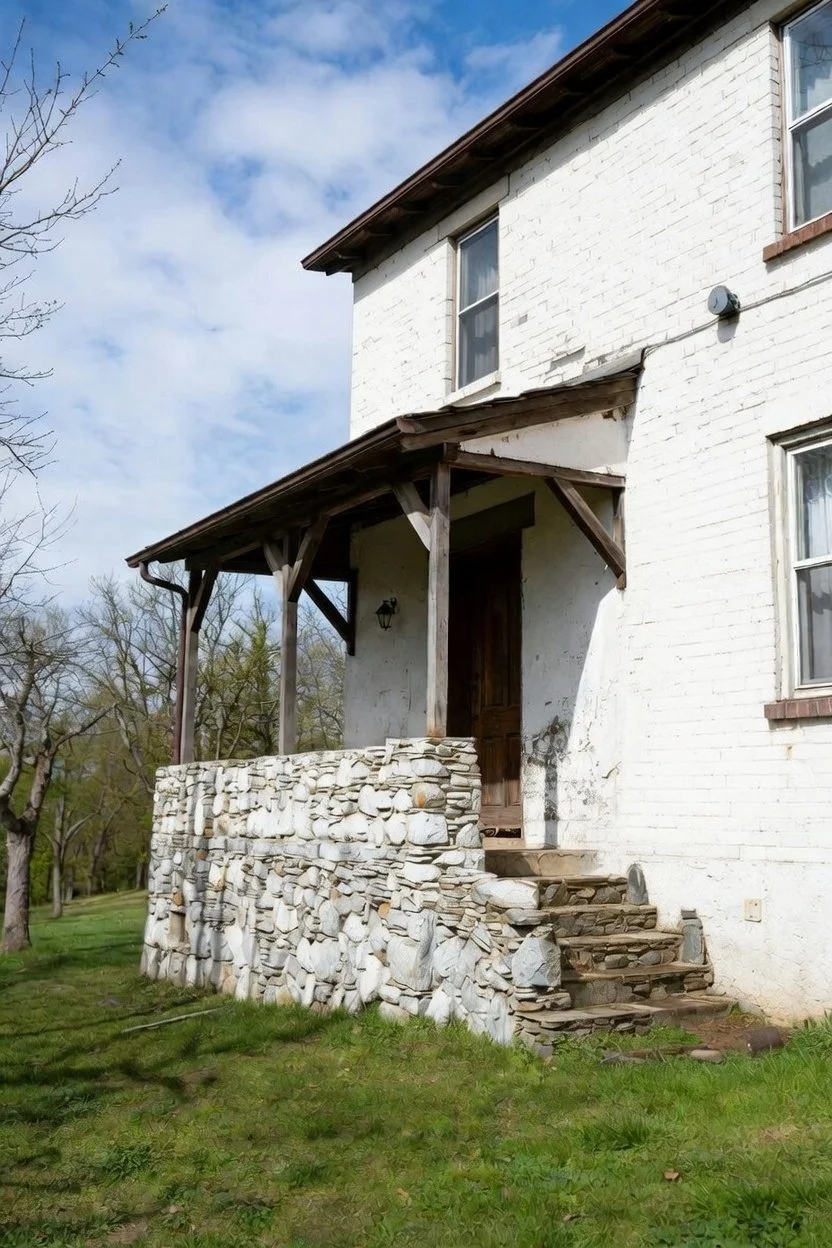
When paint is applied to stone surfaces, it creates a non-porous barrier that alters the material's natural behavior. Stone, whether natural or man-made, is typically porous, allowing water vapor to pass through—a property known as breathability or vapor permeability. Paint, often acrylic or latex-based, forms a film that seals these pores, leading to several documented issues in building science.
Moisture Trapping and Spalling: Water entering through cracks or absorbed from the ground can become trapped behind the paint layer, unable to evaporate. In freeze-thaw cycles, common in temperate climates, this trapped moisture expands when frozen, causing the stone surface to crack or flake off—a process called spalling.
Efflorescence and Salt Damage: Minerals and salts within the stone or mortar can migrate to the surface with moisture but get blocked by paint, resulting in white, powdery deposits (efflorescence) that push against the coating, leading to bubbling, peeling, or disintegration.
Reduced Adhesion and Longevity: Over time, paint may lose adhesion due to underlying moisture or thermal expansion differences between the stone and the paint film, exacerbating cracking in varying weather conditions.
Mold and Biological Growth: In humid environments, sealed moisture promotes mold growth within the stone substrate, compromising indoor air quality in architectural applications.
Historical Incompatibility: Documented in European building traditions from the 18th century onward, painting stone was rarely used on exteriors because it contradicted principles of material harmony, often accelerating decay in structures like Gothic cathedrals or Romanesque facades.
These effects are particularly pronounced in natural stones like granite or marble, which have varying porosity, and man-made variants like brick, where kiln-fired clay relies on open pores for durability.
Alternatives to Painting Stone

Instead of painting, architectural conservation emphasizes treatments that maintain stone's breathability while allowing for color or texture modifications. These methods draw from historical practices, ensuring compatibility with the material's properties and climate considerations.
Mineral Stains: These penetrate the stone without forming a film, using silicates or oxides to bond chemically. They enhance color subtly, preserving vapor permeability and resisting fade in UV exposure, commonly used in restoration of 19th-century industrial buildings.
Limewash: A traditional slurry of slaked lime and water, applied in thin layers, it allows full breathability while providing a matte, weathered finish. Historically documented in Mediterranean architecture since Roman times, it self-heals minor cracks and is suitable for humid climates.
Whitewash: Similar to limewash but often with added chalk, it offers temporary color changes with high permeability, used in colonial American structures for its low cost and ease of reapplication.
Mortar Washes: Including techniques like German Smear, these involve thinned mortar mixtures that integrate with the stone surface, maintaining porosity. Derived from European masonry traditions, they provide durable finishes without sealing effects.
Clear Sealants with Breathability: Silane-based products repel water while allowing vapor escape, ideal for arid or coastal areas to prevent erosion without altering appearance.
Selecting an alternative depends on the stone type, local climate, and desired aesthetic, always prioritizing building-science principles like vapor diffusion to avoid the pitfalls of impermeable coatings.
Color Options in German Smear and Differences from Paint
German Smear, also known as Schmear or mortar wash, offers versatile color customization through tinting the mortar mixture, drawing from historical brick treatment methods in German and broader European traditions documented as early as the 17th century. Unlike paint, which is a synthetic or organic-based coating, German Smear uses a mineral composition—typically Portland cement, lime, sand, and water—thinned to a slurry and applied unevenly for a textured, aged look.
Color Customization: Pigments, such as iron oxides or natural earth tones, can be added to the mortar base, creating shades from soft whites and grays to earthy reds or buffs. This allows matching historical palettes, like those in Tudor-style architecture, without overpowering the stone's natural variations.
Breathability Advantage: German Smear bonds mechanically and chemically to the substrate, maintaining high vapor permeability (often measured in perms above 10), unlike paint's low-permeability film (typically under 1 perm) that blocks moisture exchange.
Application and Durability: It is daubed on and partially wiped off, integrating into pores rather than sitting atop like paint, which reduces peeling risks in freeze-thaw environments and enhances adhesion through mineral reactions.
Material Behavior: The lime content in German Smear promotes carbonation, a natural hardening process that increases strength over time, contrasting with paint's potential for brittleness and UV degradation.
Architectural Context: Commonly used on brick (a man-made stone), it can adapt to other porous stones, preserving historical authenticity in restorations, whereas paint often masks original textures and accelerates decay in damp climates.
This method's mineral nature ensures it ages gracefully, aligning with conservation principles rather than the maintenance-heavy cycle of repainting.
Conclusion
Painting stone compromises its natural breathability, leading to moisture-related damage and reduced longevity, as evidenced by building-science research and historical precedents. Alternatives like limewash, mineral stains, and German Smear provide effective, permeable options that respect material properties and offer color flexibility. By choosing breathable treatments, architectural integrity can be maintained, supporting enduring structures in diverse environmental conditions.
Looking to DIY?
Checkout SmearTech’s Signature White™ Mortar and German Smear Tools.