Change the brick color. Then develop the German Smear.
German Smear Enhanced uses penetrating masonry stain to establish a new base color before the mortar finish is applied, creating possibilities the original brick color may not support on its own.
- Base color
- Altered with masonry stain before mortar application
- Finish range
- Traditional, Rustic, Slurry, or Mortar Wash direction
- Best suited for
- Mismatched masonry or an unwanted exposed brick color
- Service
- Professional nationwide service by German Smear Specialists

Two material decisions working as one finish.
Traditional German Smear allows the original brick color to remain part of the finished appearance wherever masonry stays visible or influences a thinner mortar application. German Smear Enhanced expands that design range by changing the base color first.
A penetrating masonry stain is applied to suitable brick before the German Smear sample is developed. The stain becomes the new color foundation. Mortar coverage, texture, and visible brick are then designed around that revised foundation rather than the original masonry color.
The result is not a painted surface. It is a coordinated relationship between stained masonry and a hand applied mortar finish.
The approved stain is intended to preserve the natural character of masonry while providing 20 years or more of color performance. Because the process does not rely on a conventional film forming paint, the finished direction avoids creating a recurring repaint cycle and retains the low maintenance qualities expected from German Smear.
Color planning begins beneath the mortar.
Each layer has a separate purpose. The stain controls the exposed masonry color. The mortar controls coverage, texture, movement, and the overall architectural character.
Change the base color
Masonry stain adjusts the color of suitable brick while preserving the material character and surface variation that make brick visually distinct.
Develop the mortar balance
The German Smear sample establishes how much of the newly stained brick remains visible and how the mortar moves across the masonry.
Create one finished direction
Stain color, mortar tone, coverage, and texture are evaluated together so the completed surface feels intentional rather than layered.
Four ways the original brick color can change.
These featured masonry stain colors create distinct foundations for the German Smear applied above them. The right choice depends on the original brick, surrounding materials, desired contrast, and the amount of stained brick that will remain visible.
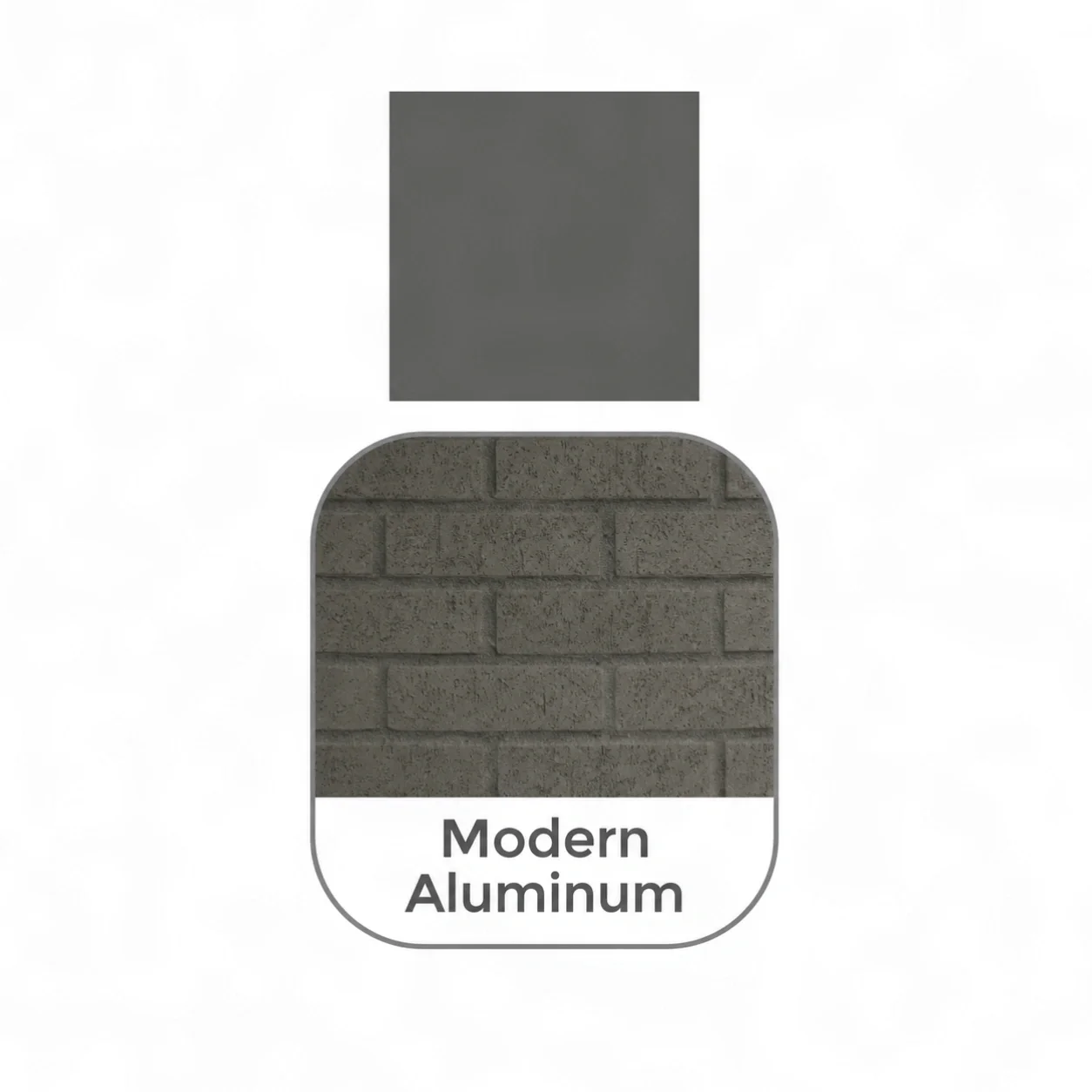
A soft medium gray that creates a lighter neutral foundation and a gentle relationship with white mortar.
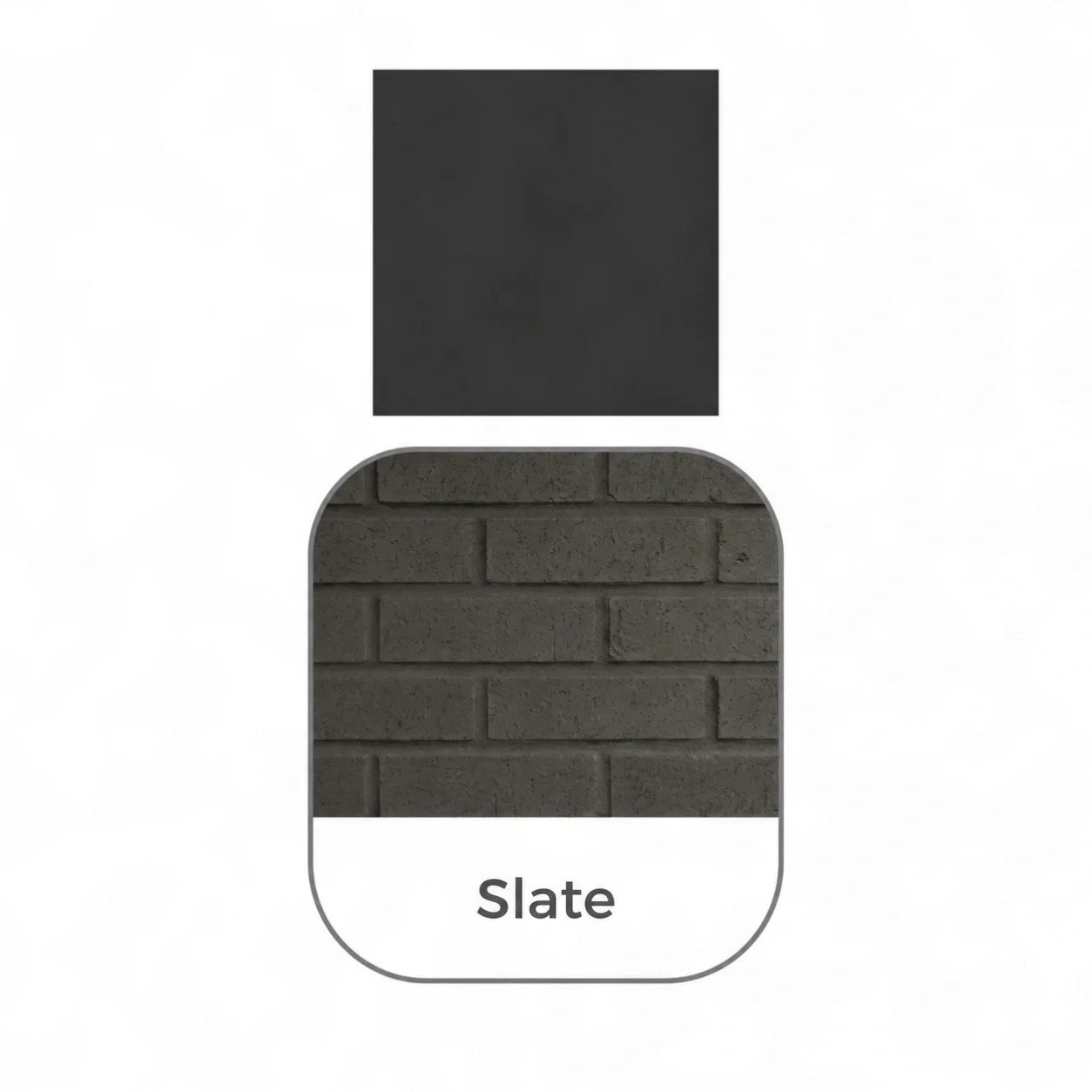
A deep neutral gray that provides clear contrast wherever stained brick remains visible through Traditional German Smear.
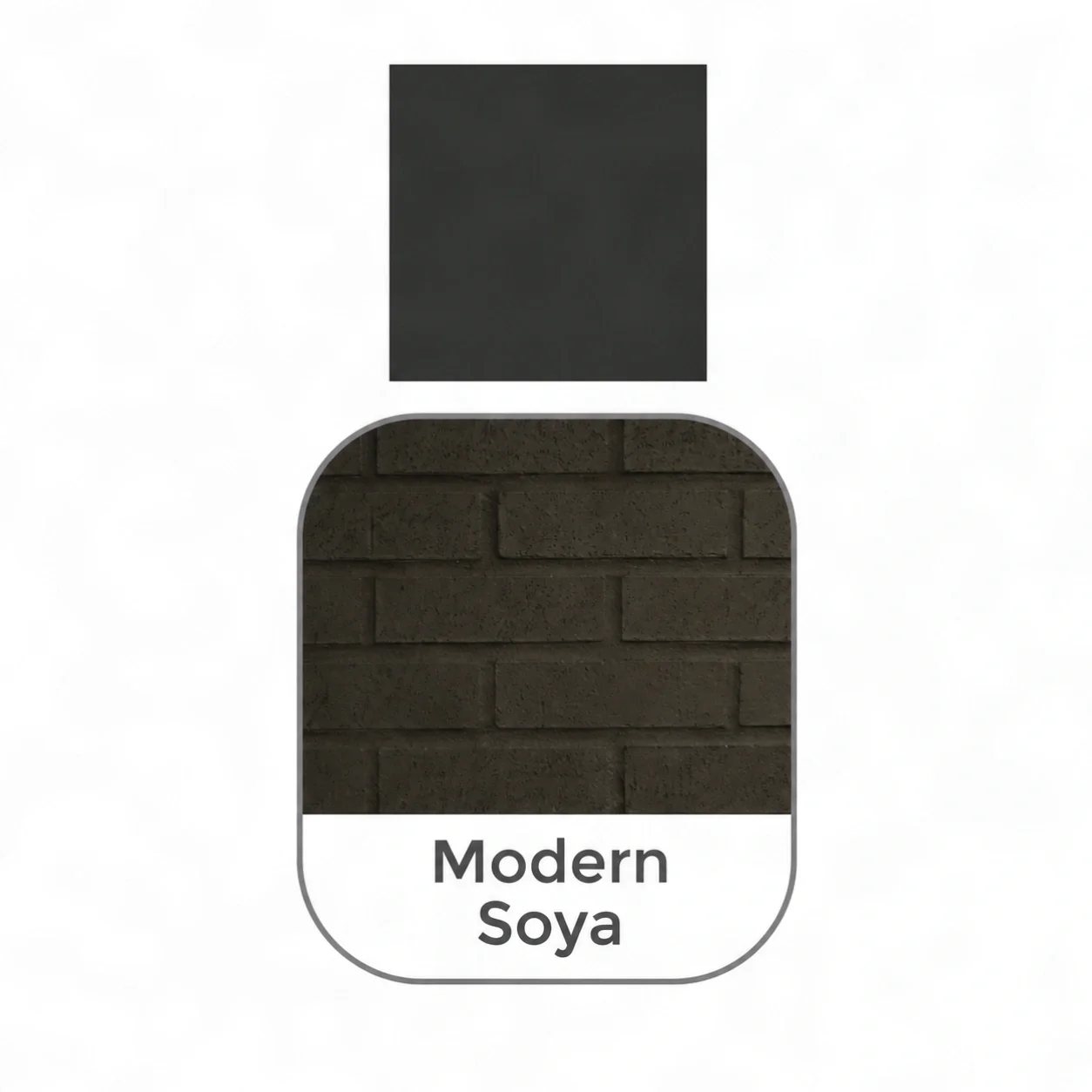
A warm charcoal brown that supports deeper earth tones and a more grounded masonry appearance.
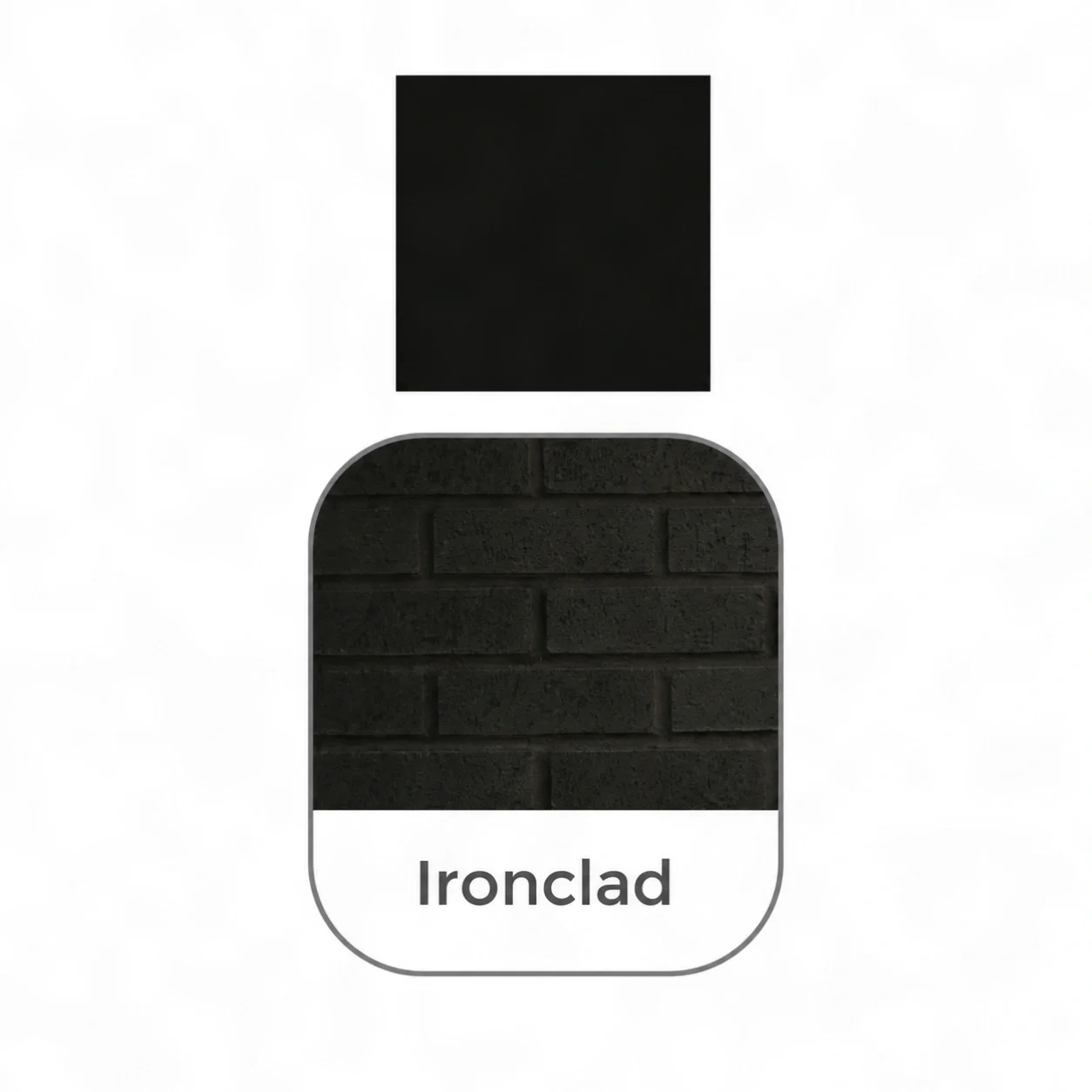
A near black direction that produces the strongest visual contrast beneath a lighter mortar finish.
The darker stained brick remains visible through controlled mortar coverage, creating definition without allowing the original brick color to limit the finished palette.

The stain and mortar must be selected together.
The correct base color is not chosen in isolation. It must support the amount of brick that will remain visible, the intended mortar coverage, the architecture, surrounding materials, and the way light moves across the property.
Existing masonry
Brick color, absorption, repairs, previous coatings, and condition determine whether staining is appropriate.
Desired visible brick
The stain color must remain convincing wherever brick is intentionally exposed through the German Smear.
Mortar coverage
Restrained, balanced, or fuller coverage changes how strongly the stained base contributes to the final appearance.
Architectural context
Roofing, trim, stone, windows, landscape materials, and natural light influence the complete color direction.
Homeowner preference
The finished sample must reflect what the homeowner wants the property to become before full installation proceeds.
Base color and mortar read as one finish.
This residential project shows how the revised masonry color, exposed brick, mortar coverage, and surrounding materials can read together as one deliberate architectural direction.

When the original brick color limits the finish.
German Smear Enhanced is most valuable when visible brick is part of the desired result but the existing color does not support the intended architectural direction.
Enhanced may be a strong fit when
- Old brick and new brick need to read as one intentional masonry field.
- Repairs or additions have introduced visibly mismatched brick throughout the property.
- The homeowner wants visible brick variation in a different base color.
- The original brick color conflicts with the roof, trim, stone, or planned exterior palette.
- A customized mortar finish requires a more controlled underlying color.
Another direction may be more appropriate when
- The original brick color already supports the desired German Smear appearance.
- Existing paint or another coating prevents the stain from penetrating the masonry.
- The brick or mortar requires repair before a finish can be responsibly recommended.
- Near complete mortar coverage would make changing the base color unnecessary.
- The material does not respond evenly during stain and sample testing.
Two finish stages. One approved direction.
The additional color stage makes evaluation and sample approval especially important. Each decision must support the next.
Evaluate the masonry
The property is reviewed for material condition, repairs, existing coatings, absorption, color variation, and project goals.
Establish the base color
A suitable stain direction is selected around the home, visible brick goals, and the intended mortar finish.
Prepare and stain
Approved masonry areas are prepared and the stain is applied according to the project specific color plan.
Develop the German Smear sample
Mortar coverage and texture are evaluated over the revised base color so the homeowner can approve the complete relationship.
Complete the installation
The approved finish direction is carried across the contracted scope with controlled coverage, property protection, cleanup, and final review.
Before changing the base color.
German Smear Enhanced adds another design decision to the project. These answers explain when and why that added step may be valuable.
Visit the Complete FAQWhat is German Smear Enhanced?+
German Smear Enhanced is a two stage finish process. A penetrating masonry stain first changes the base color of suitable brick. German Smear is then developed over that new color foundation through a project specific sample.
Why change the brick color before applying German Smear?+
The original brick remains visible in many German Smear directions and can also influence the appearance of thinner mortar coverage. Staining first allows the exposed or underlying masonry color to support the intended finish rather than limiting it.
Can German Smear Enhanced help blend old and new brick?+
Yes. When additions, repairs, or renovations introduce mismatched brick, masonry stain can help establish a more cohesive base color before the mortar finish is developed. Suitability and color response must still be confirmed on the actual masonry.
How long does the masonry stain color last?+
The approved penetrating masonry stain is intended to provide 20 years or more of color performance. Actual performance depends on material suitability, preparation, exposure, application, and the condition of the masonry.
Is masonry stain the same as painting brick?+
No. Penetrating masonry stain changes color while preserving the character and vapor movement of suitable masonry. Conventional paint creates an opaque surface film that can restrict moisture movement, trap water and salts, contribute to blistering and masonry spalling, require recurring repainting, and be difficult to remove without damaging brick or stone. GSS does not present conventional paint as an appropriate alternative for masonry.
Do all German Smear styles require brick stain first?+
No. Stain is used only when the original brick color limits the intended finish. Many homes can move directly into a Traditional, Slurry, Rustic, or Mortar Wash direction without changing the base color.
Does German Smear Specialists provide nationwide service?+
Yes. German Smear Specialists provides nationwide service with direct GSS responsibility from project evaluation through installation and final review.


Could a new base color change what is possible?
Share your project location and contact information. A German Smear Specialist will help determine whether an Enhanced finish should be evaluated for your property.